For smaller manufacturers, digital transformation often begins with replacing manual processes rather than introducing sophisticated automation. The experience of Manchester clothing manufacturer WAWWA demonstrates how relatively modest technology investments can improve production efficiency and create capacity for growth.
The sustainable clothing business has tripled its turnover and workforce, creating 20 jobs over two years while investing £120,000 in manufacturing technology with support from the Government-backed Made Smarter North West programme.
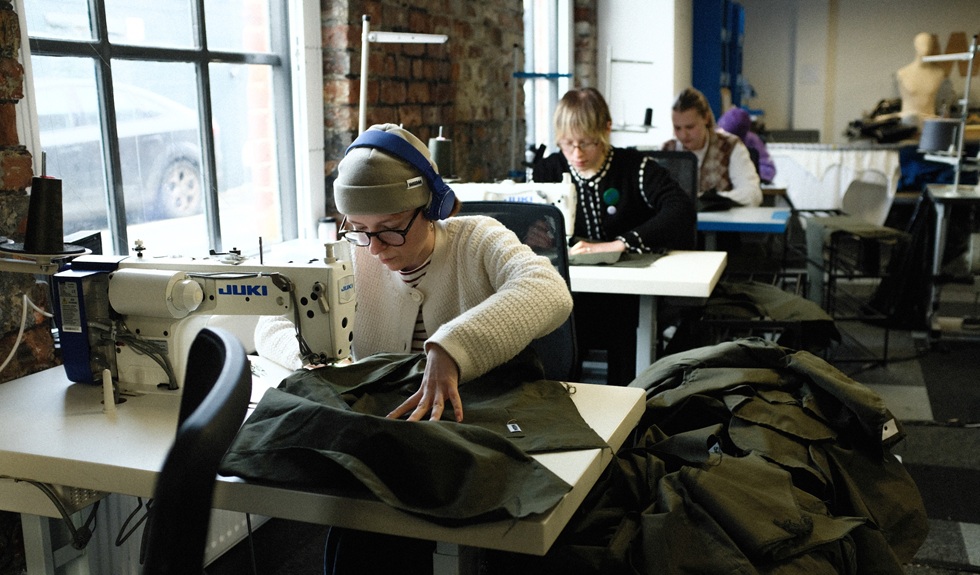
Founded in 2015, WAWWA had developed production processes that remained largely manual despite adopting digital technology elsewhere in the business. Cardboard templates were used for garment patterns, production schedules relied on whiteboards and Post-it Notes, and fabric layouts were marked by hand before cutting.
Working with Made Smarter from 2024, the company developed a digital transformation roadmap that identified opportunities to modernise production. Its first investment was a £20,000 Vetigraph CAD/CAM system, supported by a £10,000 grant, which digitised pattern drafting, grading and fabric marker planning.
The operational improvements have been measurable. Pattern storage requirements have fallen by 90%, grading time has been reduced by 75% and fabric utilisation has improved by 5%. The system has also created sufficient capacity to introduce 25% more garment styles without increasing staffing.
These gains have provided the foundation for a second investment, involving a £100,000 Assyst Bullmer automated fabric spreading and cutting system, supported by a further £50,000 grant.
Integrated with the existing Vetigraph software, the equipment will establish a connected workflow from garment design through to cutting. Once operational, it is expected to reduce laying and cutting time by more than 90% and almost halve fabric waste.
The additional capacity should also allow WAWWA to bring more work in-house, with approximately 35% of its current production outsourced for cutting. This becomes increasingly significant as the business continues to grow at around 30% annually.
The transformation has extended beyond machinery. Made Smarter has supported leadership development and connected WAWWA with technology specialists at the University of Salford and other textile manufacturers to explore automation.
Further investment is being considered in manufacturing resource planning, enterprise resource planning and RFID-enabled stock management, potentially linking production operations more closely with wider business systems.
WAWWA’s experience illustrates the importance of sequencing digital investment around identifiable production constraints. Rather than attempting to automate the entire factory simultaneously, the company has digitised established processes before introducing more advanced equipment.
For smaller manufacturers facing pressure on costs, productivity and resources, this incremental approach provides a practical example of how digital technologies can support expansion while improving the efficiency of existing operations.