Ionoptika and the University of Surrey have been awarded project grants worth a total of £425,000 from Innovate UK, the UK’s innovation agency, to expand their research into new manufacturing technologies for quantum devices.
These quantum technologies are expected to impact multiple sectors from more secure online communications to personalised medicine. However, to date only a handful of companies, such as IBM and Google, have successfully built a basic quantum computer because of the extreme challenges to manufacture and operate these devices. This new Innovate grant will open up new scalable manufacturing methods to researchers in the UK and around the world. The project, entitled “Rapid and Scalable Single Colour-Centre Implantation for Single Photon Sources”, was recommended for funding by a panel of independent assessors.
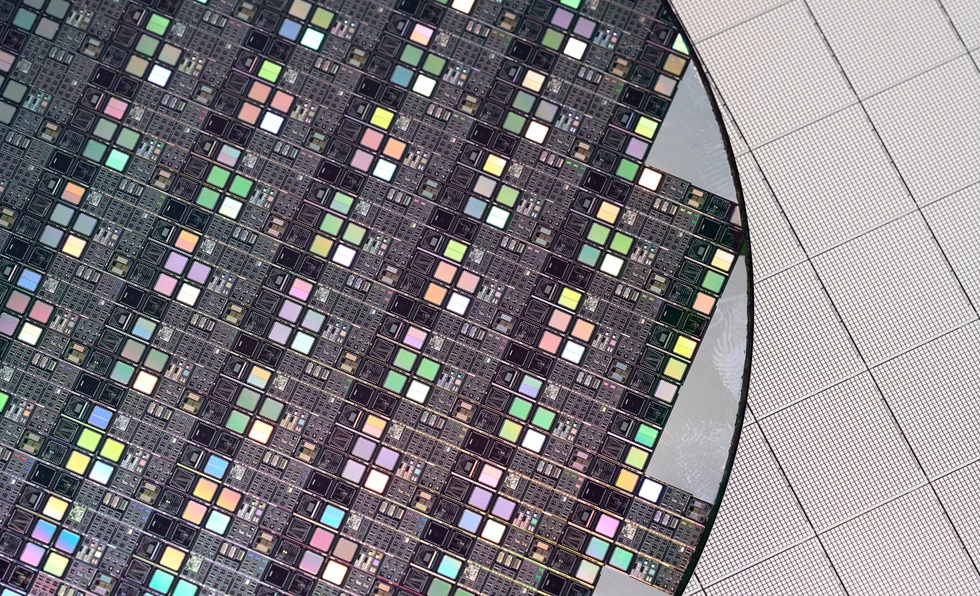
The companies will use beams of ionised atoms to create quantum devices one at a time using rare earth elements such as erbium and ytterbium. The technique, known as ion implantation, has been used for decades to make modern computer chips and benefits from being quicker than other manufacturing methods. The main limitation of the technique for quantum applications has been the inability to precisely control the location and numbers of implanted ions at the single-ion level. The new tool from the companies, called Q-One, solves this problem yet is still fast enough to implant one thousand quantum bits (qubits) every second.
“Quantum technologies are set to drive the next generation of innovation and technologies,” Paul Blenkinsopp, managing director at Ionoptika, said. “Ionoptika is delighted to be working with the University of Surrey on developing the tools and infrastructure that will be needed to realise many of these exciting quantum applications.”